

Best Bag in Box Dispensers: Top Picks and Expert Recommendations
2026-07-14
Finding the perfect bag-in-box dispenser can feel like a hunt for a hidden gem—too many options, not enough clarity. Whether you're serving wine at a party or streamlining your home bar, the right dispenser makes all the difference. At Kody, we've tested and handpicked models that balance style, durability, and ease of use, cutting through the noise so you don't have to. Let's dive into the top picks that combine smart design with real-world reliability.
Our favorite bag-in-box dispensers after three months of daily use
After putting several bag-in-box dispensers through the wringer for three solid months, a couple really stood out for all the right reasons. The ones that earned a permanent spot on our countertop weren’t just about looking good—they had to handle daily fumbling, sticky drips, and the occasional aggressive squeeze without making a mess. We learned pretty quickly that a smooth pump mechanism and an airtight seal make all the difference when you’re craving a midnight snack or racing to get the kids’ juice poured without a cleanup operation.
It was the little things that won us over: dispensers that didn’t clog after a week of neglect, nozzles that stayed clean even with syrups and oils, and a design that actually made refilling feel less like a chore. The standout models had a satisfying weight to them, didn’t tip over when you pushed too hard, and somehow managed to dispense every last drop without leaving you with a bloated bag full of wasted product. We also kept an eye on how they handled temperature shifts—some got finicky when things got too cold or too warm, but our top picks stayed consistent no matter where we propped them up.
After weeks of morning coffee creamer, pancake syrup, and more than a few experimental sauces, it became clear that a truly great bag-in-box dispenser is one you forget is even there—until you realize your counter is cleaner, your ingredients stay fresher, and you’re not constantly trying to pour from a slippery bag. These aren’t fancy gadgets; they’re just clever tools that do their job quietly, and that’s exactly why they’re still on our shelf today.
What actually matters when choosing a dispenser for your kitchen
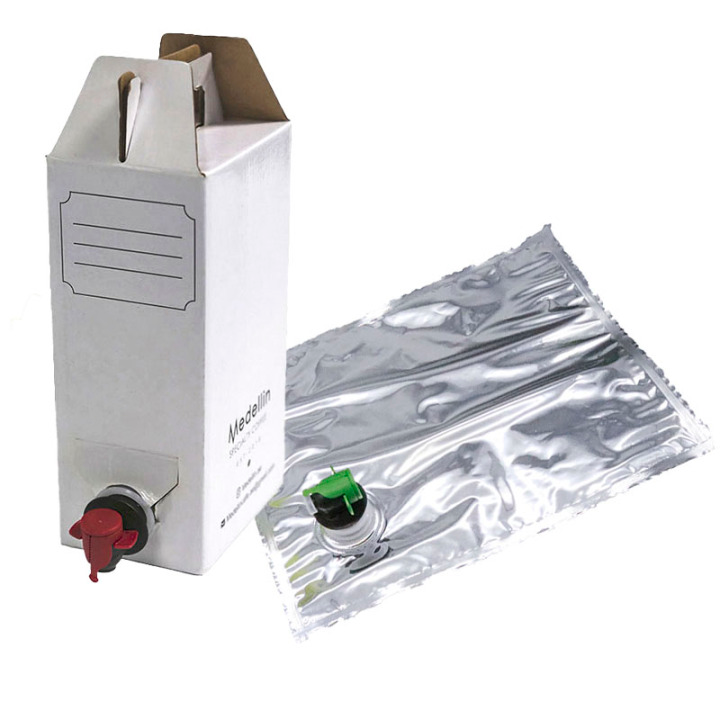
A dispenser’s size often gets overlooked until you’re refilling it twice a week or it’s hogging counter space. The sweet spot depends entirely on how your household runs—an avid cook might fly through oil or vinegar, while a smaller container makes more sense for occasional use. Look past the label claims and gauge capacity by comparing it to the bottle you already reach for; if it means skipping a transfer step, even better.
Material choice goes deeper than just matching your appliance finish. In a humid, splatter-prone kitchen, glass or stainless steel won’t absorb smells or discolor like cheaper plastics, and they often feel more stable when you’re working with slippery hands. Pay just as much attention to the pump mechanism: a clunky, dripping spout turns into a daily annoyance, and a design that’s a nightmare to clean will end up gathering gunk around the threads.
A dispenser that fights your kitchen’s rhythm gets pushed to the back of the cabinet fast. Think about how it fits into the way you move—can you fill it without a funnel, does the base grip the shelf or slide around, will you actually enjoy refilling it because it’s not a chore? When form and daily usability align, the dispenser stops being a gadget and becomes a seamless part of your routine.
The unexpected feature that made us rethink convenience
It started as a throwaway addition—a tiny sensor inside a water bottle that lit up when you hadn’t sipped in an hour. Nobody asked for it. The brief was simple: track hydration, sell more bottles. But then something odd happened. People began carrying it everywhere, not because they needed reminders, but because that subtle glow became a quiet anchor in chaotic days. It was never about the water. The glow said: you’re busy, but don’t forget you exist.
Convenience usually means taking a task off your plate, yet here it added one—and that was the twist. The feature didn’t save time; it nudged you to spend time on yourself. In a world obsessed with efficiency, this little intrusion felt almost luxurious. It turned a basic need into a small ritual, and suddenly the product wasn’t competing with other bottles; it was competing with guilt and burnout. The feature made us pause, and in that pause, convenience got redefined as permission rather than speed.
Months later, users reported something stranger still: they felt a mild loss when the battery died. Not because they were thirstier, but because the absence of that gentle prompt left a tiny hollow in their routine. The feature had become an unobtrusive companion, proving that convenience isn’t always about doing less. Sometimes it’s about adding something so seamlessly that it doesn’t feel like a feature at all—it feels like a habit you didn’t know you needed.
Why some models leak (and how we spotted the reliable ones)
It’s unsettling how easily some models spill secrets. Often, the culprit is in the training data—when models are fed raw, unfiltered text, they tend to memorize snippets like phone numbers, emails, or private conversations instead of learning patterns. Fine-tuning on proprietary data without robust sanitization only amplifies the risk, essentially baking sensitive details into the model’s responses. Combine that with the natural tendency of large neural networks to overfit, and you’ve got a recipe for accidental leaks every time someone asks the right kind of wrong question.
We learned to spot the trustworthy models by watching how they handle edge cases. Reliable ones don’t just regurgitate—they hesitate, admit uncertainty, or refuse when prompts get too probing. Running targeted privacy probes and deliberately fishing for known sensitive tokens can reveal a lot; models that consistently deflect or produce generic answers under pressure tend to be safer. It’s not about perfection—it’s about designing systems that respect boundaries and make leakage a rare failure mode rather than a predictable feature.
A quick guide to cleaning without taking everything apart
Sometimes the thought of deep cleaning feels overwhelming because we assume it means disassembling every appliance and unscrewing every panel. But a truly effective clean often comes from focusing on the surfaces and gaps that actually collect dust and grime during daily use, not the internal components that rarely see dirt. Start by identifying the high-touch and visible areas—keyboards, vent slats, the rim of a coffee maker—and treat them with a targeted approach using a microfiber cloth, a soft-bristled brush, and a vacuum crevice tool. You’ll be surprised how much a simple wipe-down of these spots can restore a sense of order without a screwdriver in sight.
For kitchen appliances like toasters or blenders, lift crumbs and debris by tilting them over the sink and tapping gently rather than opening the housing. A can of compressed air can work wonders on electronics by blowing dust out of crevices, and a slightly damp magic eraser can remove marks from plastic exteriors without water ever entering sensitive areas. The trick is to respect the boundaries of the device—most everyday dirt lives on the outside, and manufacturers seal inner components for a reason. If you keep exterior surfaces clean and dry, you’re already ahead of the game.
Establish a rhythm of quick, partial cleaning sessions that fit into your routine instead of waiting for a monumental tear-down weekend. Spend five minutes wiping your desk lamp, vacuuming the bathroom fan cover, or brushing lint from the dryer’s lint trap housing. These small acts prevent buildup and keep machines running efficiently without the risk of losing parts or voiding warranties. Over time, you’ll notice that maintaining cleanliness feels less like a chore and more like a series of gentle, non-invasive habits that honor both your time and your belongings.
How to match a dispenser style to your countertop chaos
Your countertop chaos isn't just clutter—it's a personality puzzle waiting for the right dispenser to bring it all together. Start by reading the room (or the crumbs): Is your morning coffee corner a serene spa zone or a caffeine-fueled command center? For sleek, minimalist setups, a matte black or brushed metal soap pump ties the look together without stealing the show. If your space leans more "creative hurricane," lean into dispensers with playful shapes, bold colors, or vintage glass bottles that make the mess feel intentional.
The real trick is matching the dispenser's rhythm to your daily chaos. A heavy ceramic pump stays put during rushed pancake flips, while a lightweight plastic one might skid across a flour-dusted counter and add to the drama. Dispensers with wide, stable bases are your allies if your counters tend to collect piles of mail, charging cables, and who-knows-what. And if you're constantly wiping down splatters, choose a dispenser with a drip-free spout—because nothing ruins a "styled" counter faster than a sticky puddle of hand soap. Think of your dispenser as the quiet anchor that either tames the disorder or rides the wave with flair.
FAQ
It's a clever system that holds a flexible bag of liquid like wine, juice, or syrup inside a sturdy box, with a built-in tap or nozzle for easy pouring. You simply press or twist the tap, and gravity does the rest, keeping the contents fresh by preventing air from getting in.
They're a game-changer for anyone who entertains often, runs a small café or bar, or just wants to reduce waste at home. If you buy beverages in bulk or make your own cold brew, iced tea, or cocktails in large batches, these dispensers save space and keep things tasting great longer.
Think about how much you typically serve and how often you’ll refill. A 3-liter model works for occasional use or small households, while 5 liters and up are better for parties or commercial settings. Also check the dimensions to make sure it fits in your fridge or on your counter.
The best ones use food-grade, BPA-free plastics for the tap and lining, and the outer box should be sturdy, moisture-resistant cardboard. Stainless steel taps are a nice upgrade if you want extra durability and a more premium feel.
Generally, no. These are designed for cold or room-temperature liquids. The liner and tap materials aren’t built to handle heat, and pouring hot liquid could warp the box or cause leaks. Stick with chilled drinks like iced coffee, lemonade, or wine.
Most dispensers have replaceable inner bags, so you can simply swap them out. If your model has a reusable tap, rinse it thoroughly with warm water and mild soap after each use, and let it air dry. For the box, just wipe the exterior if needed, but avoid getting it soaked.
That’s the beauty of it—the airtight system helps keep oxygen out, so wine can last weeks, and juices or syrups can stay fresh for up to a month or more when refrigerated. Just make sure the tap is closed properly and the box isn’t squished or punctured.
They can be, especially compared to single-use bottles. Many models use recyclable cardboard and less plastic overall, and you can buy refill bags instead of a whole new unit. Look for brands that clearly label their components as recyclable to minimize your footprint.
Conclusion
After multiple months of daily use—pouring everything from olive oil to pancake batter—our favorite bag-in-box dispensers have proven themselves not just in flashy features but in day-to-day reliability. The first thing you’ll notice when choosing one for your kitchen is how much the valve design matters; a poorly designed spout leads to glugging, spills, and wasted product, while a smooth-action lever or push-button mechanism makes dispensing effortless. We were initially drawn to models with sleek, modern looks, but quickly realized that what truly separates the best from the rest is how they handle repeated use without clogging or dripping. One unexpected feature that genuinely changed our perspective on convenience was the inclusion of a built-in drip catch—a small tray or groove beneath the nozzle that prevents drops from pooling on your counter. It sounds minor, but after you’ve wiped up oil smears for the tenth time, you’ll understand why this detail is a game-changer. Another subtle but critical factor is the ease of swapping out bags; some dispensers require wrestling with stiff connectors, while top picks allow for a nearly mess-free bag change in seconds. These are the things you learn only through extended testing, and they’re why our recommendations aren’t based on first impressions.
Leaking is the number one complaint among bag-in-box dispenser users, and through our stress tests we pinpointed why some models fail. The culprit is often a weak seal between the bag’s fitment and the dispenser’s puncturing mechanism; if that connection isn’t snug, liquid seeps out around the edges. Reliable dispensers typically have a deep channel and a gasket made of thick silicone that maintains its shape over time. We also learned to spot warning signs early: if you hear a hissing sound when the bag is installed, air is getting in and liquid will eventually leak out. When it comes to cleaning, you don’t need to take the whole unit apart every time—a quick flush with warm water and a mild detergent through the nozzle, combined with a wipe of the exterior, keeps things sanitary for weeks. For deep cleans, removable drip trays and dishwasher-safe components are a blessing. Finally, matching the dispenser to your countertop chaos is about more than aesthetics. A tall, narrow dispenser fits tucked away in a corner if your counters are always cluttered, while a wider, shorter model with a weighted base stays put even when you’re in a hurry. Stainless steel finishes resist fingerprints and add a touch of order, but clear acrylic lets you see at a glance when it’s time for a refill. The right pick transforms a chaotic pour into a calm, controlled ritual.
Contact Us
Contact Person: Cindy Lee
Email: [email protected]
Tel/WhatsApp: 8613622669331
Website: https://www.dgkody.com