

Flat Bottom Pouches: How to Choose the Right Style and Material
2026-05-29
When it comes to packaging that combines functionality with shelf appeal, flat bottom pouches are a game-changer. But with so many styles and materials available, finding the perfect fit for your product can feel overwhelming. Whether you're in food, cosmetics, or pet care, the right pouch doesn't just protect your goods—it tells your brand story. At Kody, we've seen how the smallest design choices can make the biggest impact. In this guide, we'll cut through the noise and help you choose a pouch that truly works for your business.
Starting with Your Product’s Needs
Figuring out what your product truly requires isn’t about ticking boxes on a generic checklist. It starts by peeling back the layers of how users actually interact with it—those subtle friction points, the moments they hesitate, or the features they never touch. Observing real behavior rather than relying on assumptions lets you uncover needs that aren’t always obvious, which in turn shapes a solution that feels almost intuitive to your audience.
This process demands a willingness to challenge your own biases. You might be attached to a particular feature because it was complex to build, but if it doesn’t solve a tangible problem for the user, it’s just noise. Trimming away that noise refocuses energy on what actually moves the needle, creating space for improvements that align with how people already think and work. The result is a product that doesn’t force users to adapt—it adapts to them.
When you consistently prioritize these discovered needs over internal wish lists, something shifts. Updates become sharper, resources are allocated more wisely, and the entire team develops a shared instinct for what matters. Instead of playing catch-up with competitors, you start defining your own path, one rooted in genuine utility rather than feature parity.
Comparing Material Options Beyond the Basics
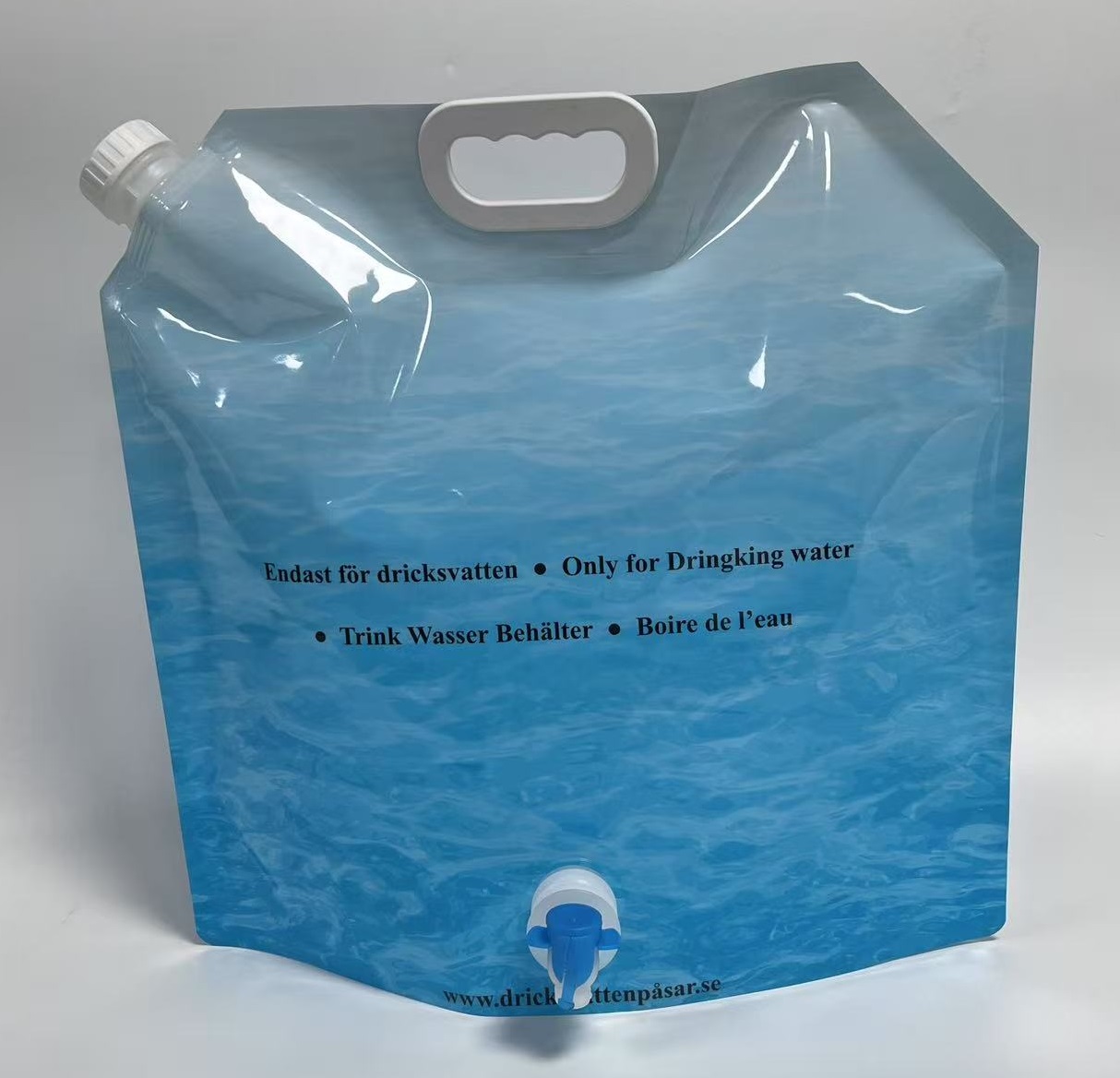
When you move past the fundamental specs like tensile strength or density, material selection becomes a real puzzle of trade-offs. It’s easy to fixate on upfront cost or a familiar name, but the true character of a material often reveals itself under operational stresses—think about how it behaves after thousands of thermal cycles, or its response to sustained chemical exposure. These hidden behaviors can make a “budget-friendly” option painfully expensive in the long run, while an overlooked mid-range alternative might quietly outperform its premium rivals in a specific niche.
Digging deeper means looking at everyday usability, not just lab data. For instance, a lightweight polymer might boast impressive strength-to-weight ratios on paper, yet it can become brittle in cold climates or warp under UV light, while a slightly heavier composite holds up without complaint. This kind of mismatch is where projects derail—not because a material fails outright, but because it stops behaving predictably. Comparing options side by side in real-world conditions, even informally, often reveals which material will actually earn its place in your design rather than just look good on a spreadsheet.
Closure and Opening Features That Make a Difference
The way a bottle opens and closes can shape an entire user experience, yet it’s often overlooked until frustration strikes. From the snap of a secure cap to the smooth twist of a well-designed nozzle, these small mechanisms dictate ease, safety, and even product longevity. A closure that feels solid in the hand and opens without struggle can build quiet trust, while a flimsy seal or a drippy lid might send a customer elsewhere next time. It’s the unspoken promise that what’s inside is protected, and that using it will be effortless every time.
Some of the most memorable designs integrate clever touches that users barely notice at first: a one-hand flip cap for athletes, a child-resistant yet senior-friendly press-and-turn system, or a pump that dispenses exactly the right amount without sputtering. These features aren’t just about function—they communicate care. When a moisturizer bottle click-locks shut with a satisfying sound, or a condiment cap opens with a single thumb motion while the other hand holds a spatula, the product becomes more than its ingredients. It becomes a reliable daily companion, cutting through clumsiness and making routines feel just a bit smoother.
Beyond convenience, innovative closure and opening features can reduce waste and preserve freshness in ways that aren’t immediately obvious. An airtight seal that reseals completely after each pour can keep coffee grounds flavorful for weeks, while a drip-free spout on an oil bottle prevents messy countertops and sticky residue. Even the simplest design tweak—a wider finger grip on a twist-off lid, or a softly curved tab that’s easier to grasp—can make a product accessible to more people, including those with arthritis or reduced dexterity. These thoughtful details may not headline a marketing campaign, but they’re what turn a one-time buyer into a loyal advocate.
Sustainability Without the Greenwashing
Businesses often toss around words like “eco‑friendly” and “sustainable” without backing them up with real action. It’s become so common that customers now roll their eyes at yet another green label. The trick isn’t to shout louder about being good — it’s to quietly do better. Start by fixing one tangible thing in your supply chain, like swapping to a local material or reducing overnight shipping. Let that change speak for itself. When you let the results do the talking, you don’t need to decorate your packaging with leaves and earth tones.
Transparency usually scares companies, but it’s actually the simplest antidote to greenwashing. Instead of hiding behind vague claims, publish your actual numbers — even the messy ones. If your carbon footprint went up because you grew faster, say so. People trust a brand more when it admits it’s a work in progress rather than pretending to have solved everything. Pair that honesty with a roadmap, and you’ll build a loyalty that no glossy ad campaign can buy.
Another shift that rarely gets attention is moving the conversation from “doing less harm” to “doing more good.” Instead of just trying to shrink your negative impact, ask what your business can actively regenerate. Maybe it’s a take‑back program that turns old products into community donations, or a sourcing partnership that restores degraded land. These aren’t just feel‑good extras — they become the reason customers stick around. When your sustainability isn’t a marketing layer but the way you operate, the greenwashing noise fades into the background.
The Real Story on Barrier Protection
Most people think barrier protection is just about slapping on a thick cream and hoping for the best. But your skin's barrier isn't a wall that needs constant plugging—it's more like a intelligent, living shield that responds to everything from humidity shifts to the cleanser you used three nights ago. When it's working right, you barely notice it. When it's not, that's when the redness, the random breakouts, the persistent tightness start whispering that something's off.
What really messes with this defense system isn't just harsh actives—it's the whole cocktail of daily stress, indoor heating, and even overzealous 'repair' routines that strip more than they restore. True protection means knowing when to step back, not just stack products. Sometimes a bare-bones routine with a well-formulated cleanser and a moisturizer that mimics your skin's own lipid structure does more than any 10-step ritual ever could. The trick is listening to what your skin actually signals, not what marketing tells you it needs.
Balancing Custom Looks with Practical Costs
Striking that perfect balance between a one-of-a-kind look and a budget that doesn’t spiral out of control is a challenge every designer knows well. It starts with prioritizing where custom details truly matter—like a hand-stitched seam or a bespoke hardware finish—and then cleverly offsetting those costs with ready-made elements that blend seamlessly. I’ve found that mixing high-touch, custom features with off-the-shelf components not only saves money but often sparks unexpected creative directions that clients love.
Another approach that works wonders is reimagining materials in unexpected ways. Instead of sourcing expensive, exotic veneers, we might use a high-end laminate that mimics the texture and grain so convincingly that even pros do a double-take. Coupled with a custom-designed focal point—say, a handcrafted ceramic handle or a digitally printed panel—the overall effect feels lavish, yet the production costs stay firmly grounded. It’s about teaching your eye to see potential rather than price tags.
Ultimately, it’s the conversation with the client that makes or breaks this balancing act. Walking them through a tiered costing breakdown, where they actually see how much a fully custom drawer pull adds versus a cleverly adapted stock option, builds trust. They often end up more excited about the smart compromises than the splurges, because the final piece still tells a story that’s unmistakably theirs.
FAQ
Flat bottom pouches, sometimes called box pouches, have a fully flat base that gives them a stable, box-like shape when filled. Unlike regular stand-up pouches that rely on a gusset at the bottom and a rounded footprint, flat bottom pouches feature a distinct rectangular or square base. This design allows them to stand firmly on shelves without tipping, maximizing front-facing display space and making them feel more like a rigid container while retaining the flexibility and lightweight nature of flexible packaging.
The material primarily depends on your product’s sensitivity to moisture, oxygen, light, and the desired shelf life. For dry goods like snacks or powders, a combination of PET and PE or a single-layer PE might suffice if moisture barrier is low priority. For coffees or perishable items, look for high-barrier structures with aluminum foil or metallized films that block oxygen and UV light. If you need to see the product, a clear PET/PE structure with a transparent window works well. Always consider whether you need a resealable zipper, tear notch, or degassing valve—your material choice must support these features without compromising seal integrity.
There are a few popular styles. The quad-seal flat bottom pouch has four side seals and a separate bottom gusset, creating sharp, defined edges. The pinch-bottom or fold-over style uses a folded gusset at the base and side seals, giving a softer look but still standing upright. There are also rectangular block-bottom pouches with reinforced corners, often used for bulk products. Some styles include a front and back panel that are the same width, while others might be wider at the bottom. The choice depends on the aesthetic you want and how much volume you need per pouch.
Start with the pouch shape and size that fits your brand’s personality—slimmer, taller designs often look more premium, while wider, shorter formats can feel more generous. Matte finishes can convey an artisanal feel, while glossy surfaces appear vibrant and modern. The print quality matters a lot: high-definition rotogravure or digital printing can bring out intricate details. Don’t overlook the tactile feel—soft-touch matte overcoats or textured paper-like films create a memorable unboxing experience. Also, a large, clear window can attract attention, but make sure it doesn’t compromise barrier properties if needed.
Yes, many manufacturers now offer sustainable flat bottom pouch options. These can include structures made from a single material like PE or PP that are easier to recycle, pouches with post-consumer recycled (PCR) content, or compostable films made from bio-based materials like PLA and cellulose. Paper-based flat bottom pouches with a thin barrier liner are also gaining popularity for certain products like tea or dry foods. However, you must match the eco-material to your product’s protection needs—compostable materials may not provide the same oxygen or moisture barrier as traditional laminates, so shelf life testing is critical.
Think about how the consumer will use the product. If it’s a multi-serve item like coffee or snacks, a resealable zipper is essential for freshness after opening. A tear notch makes the initial opening much easier and ensures a straight tear. Combining both gives the best user experience. For single-use or instant-consume products, a simple tear notch is usually enough and keeps costs down. Also, consider a slider zipper for larger pouches, as it’s easier to handle and feels more premium—but it adds cost. Test the opening strength: you want a secure seal that doesn’t frustrate the customer.
A common mistake is not requesting a physical sample first, especially if you’re experimenting with new materials or finishes. Another is overlooking the fill volume versus the pouch dimensions—a flat bottom pouch bulges when filled, so always account for the maximum product volume. Skipping drop testing or seal strength tests can lead to ruptures in transit. Also, verify that your artwork matches the printable area and that the bottom panel design doesn’t become distorted when the pouch is filled. Finally, don’t underestimate lead times for custom tooling or plate-making, especially for quad-seal or complex shapes.
Conclusion
Choosing the right flat bottom pouch starts with a clear understanding of your product’s requirements. Whether you’re packaging coffee, snacks, or powders, the pouch must preserve freshness by matching the barrier properties to the contents—oxygen, moisture, and light sensitivity all play a role here. Don’t assume all foil or clear films are equal; comparing material options beyond common names reveals nuances in seal integrity and puncture resistance. Sustainability also enters the conversation early, but it demands careful thought. Truly eco-friendly choices go past labels and certifications, focusing on the entire lifecycle from sourcing to disposal, without falling for vague marketing.
The subtle decisions around closures and openings can set your product apart on the shelf, from press-to-close zippers to tear notches that actually work smoothly. Barrier protection isn’t just a buzzword—it’s the real story behind shelf life and taste preservation, especially for perishable goods. Finally, balancing a custom look with practical costs means investing in design elements that matter: maybe a matte finish and a window for product visibility, but not overdoing it if it drives up minimum order quantities or tooling fees in a way that kills profitability. Ultimately, the right pouch merges function and form without compromise.
Contact Us
Contact Person: Cindy Lee
Email: [email protected]
Tel/WhatsApp: 8613622669331
Website: https://www.dgkody.com