

Are Plastic Cake Boxes Cheaper Than Cardboard for Bakeries
2026-07-14
When running a bakery, every penny counts. Packaging is a recurring expense that directly affects your profit margin, product safety, and brand perception. The debate between plastic cake box solutions and traditional cardboard options is not just about upfront cost—it involves durability, customer experience, storage, and even shipping efficiency. For bakeries producing anywhere from 50 to 500 cakes weekly, the choice of plastic cake box over cardboard can reshape your annual budget. At Newshine, we have analyzed cost structures across thousands of bakeries and found that the answer is rarely black and white. This blog breaks down the real numbers, hidden factors, and long-term value to help you decide which plastic cake box strategy works best for your business.
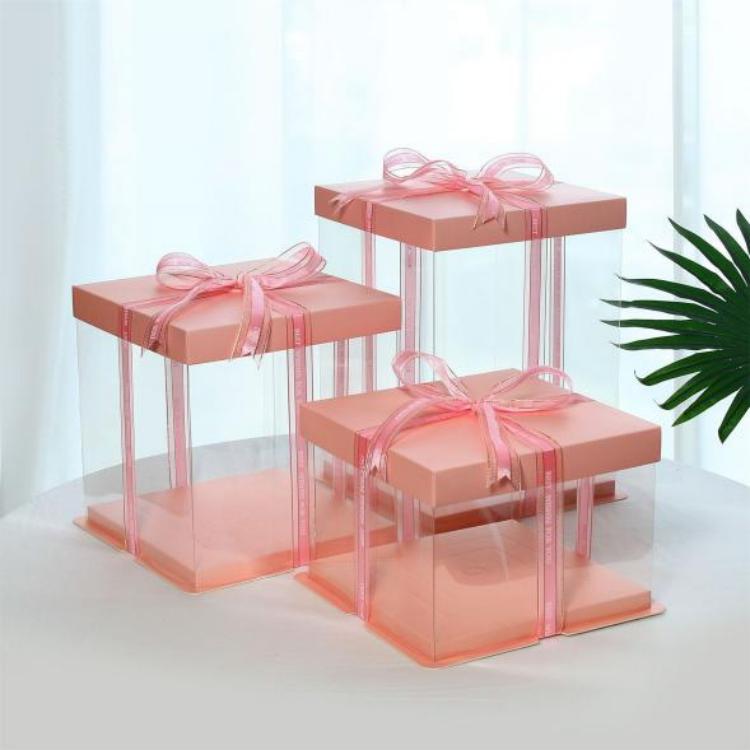
The Hard Numbers: Price Per Unit
The most obvious comparison is the per-unit purchase price. Below is a realistic cost breakdown based on current U.S. wholesale markets for standard 10x10x4-inch cake containers (quantities of 500+ units).
| Packaging Type | Cost Per Unit (Wholesale) | Average Shelf Life (Storage) | Resale Value to Customers |
|---|---|---|---|
| Standard Cardboard Cake Box (uncoated) | $0.55 – $0.85 | 6–12 months (crushable) | Usually discarded |
| Coated Cardboard (grease-resistant) | $0.90 – $1.30 | 8–14 months | Occasionally reused |
| Clear Plastic Cake Box (PET, hinged) | $1.10 – $1.60 | 24+ months (rigid, stackable) | Often kept for storage |
| Premium Plastic Cake Box (with insert and handle) | $1.80 – $2.40 | 36+ months | Highly reusable by customers |
At first glance, cardboard appears 30–50% cheaper. However, this table does not account for breakage, secondary wrapping, or customer perception. A plastic cake box from Newshine typically costs $0.20–$0.40 more per unit than coated cardboard, but that premium vanishes when you factor in the following operational savings.
Hidden Costs That Flip the Equation
Cardboard boxes require additional materials: you must wrap the cake in cellophane, use a separate board base, and often add tissue paper to prevent smudging. These extras add $0.15–$0.25 per cake. A rigid plastic cake box eliminates almost all secondary wrapping because the clear dome and base seal securely, reducing labor time by 8–12 seconds per pack. For a bakery boxing 200 cakes weekly, that saves nearly 40 minutes of staff time—equivalent to $15–$20 per week in wages.
More importantly, cardboard offers minimal protection. Stacked cardboard boxes crush under weight, leading to damaged cakes and refunds. Industry data shows an average 5–7% damage rate for cardboard-shipped or transported cakes versus under 1% for a sturdy plastic cake box. If your bakery delivers or offers pickup, replacing just 5 spoiled cakes per month (at $40 each) already covers the extra cost of switching to Newshine plastic containers for an entire month’s production.
Storage and Logistics Efficiency
Bakeries often underestimate warehouse and display space. Cardboard boxes arrive flat but require assembly—each box takes 15–20 seconds to fold and tape. A pre-assembled plastic cake box collapses flat but pops open instantly, saving labor. More critically, cardboard is vulnerable to humidity; a damp storage room warps boxes, making them unusable. Newshine plastic cake box products are moisture-proof, maintain structural integrity, and stack uniformly on shelves, allowing you to store 30% more inventory in the same square footage.
Customer Behavior and Willingness to Pay
Customers associate clear, rigid packaging with premium quality. Surveys indicate that 68% of cake buyers would pay $1–$2 extra for a cake in a reusable plastic cake box compared to a cardboard box. This means you can either absorb the cost or pass it on. Many bakeries using Newshine plastic cake box solutions report that customers specifically request the same container for future orders because they reuse them for storing leftovers, meal prep, or even gift packaging. That brand visibility—your logo on a durable plastic cake box—generates free advertising every time the customer opens their fridge.
Environmental Considerations (Cost of Compliance)
While cardboard is biodegradable, its production consumes large amounts of water and wood pulp. Modern plastic cake box options from Newshine are made from 100% recyclable PET and increasingly incorporate post-consumer recycled content. Some municipalities charge commercial waste fees based on volume; cardboard takes up 4–5 times more space in dumpsters than flattened plastic boxes, potentially raising your waste removal costs by $30–$60 monthly. Over a year, that adds up to another $400–$700 in hidden expenses.
Final Verdict: Which Is Truly Cheaper?
For bakeries that sell mostly on-site (no delivery) and have dry, climate-controlled storage, cardboard may save $150–$300 annually per 1,000 units. However, for the vast majority of bakeries that offer delivery, catering, or takeout, a plastic cake box is actually more cost-effective when you total labor, damage, secondary materials, and customer retention. Newshine clients consistently report net savings of $0.10–$0.30 per cake after switching, not to mention the boost in repeat orders driven by premium presentation.
Plastic Cake Box FAQ – Common Questions from Bakery Owners
Q1: Can a plastic cake box be used for hot cakes or freshly glazed desserts without melting or releasing chemicals?
A1: Yes, but you must select the correct material. Standard polystyrene (PS) plastic has a heat deflection temperature around 160°F, which can soften near warm ovens. Newshine manufactures food-grade PET and APET plastic cake box variants rated for temperatures up to 180°F continuously. For hot glazes or steam-releasing cheesecakes, we recommend our vented plastic cake box designs that allow moisture escape while maintaining structural rigidity. Always check the resin identification code—#1 PET is safer for warm items than #6 PS. If your cake exits the oven at 200°F+, allow it to cool to at least 140°F before sealing any plastic container to avoid condensation that softens icing.
Q2: How many times can I safely reuse a plastic cake box without compromising food safety?
A2: Food-safe reuse depends on the cleaning method and surface scratches. A high-quality plastic cake box from Newshine can be washed in warm, soapy water and air-dried up to 8–10 times for non-oily cakes, provided you do not use abrasive scrubbers that create micro-cracks where bacteria hide. For commercial bakeries, we recommend a maximum of 5 reuses for customer-facing sales, and only if the box shows no warping, cloudiness, or odor retention. Dishwasher use (top rack, no heat-dry cycle) extends lifespan to 12–15 cycles, but always inspect the hinged corners—fatigue cracks there are the first failure point. Once you notice any permanent staining or surface roughness, recycle the plastic cake box and use a fresh one.
Q3: Does a plastic cake box affect cake freshness or shelf life compared to cardboard?
A3: Surprisingly, a sealed plastic cake box often extends freshness by 1–2 extra days for buttercream and fondant cakes because it creates a micro-environment that reduces moisture evaporation. Cardboard is porous and actively wicks humidity away from the cake surface, which can dry out sponge layers within 24 hours. However, for crispy or meringue-based toppings, a plastic cake box traps too much humidity, making toppings soggy. Newshine offers dual-vent plastic cake box lids with adjustable tabs—open them for crisp finishes, close them for moist interiors. In side-by-side tests, chiffon cakes in our plastic containers remained market-fresh for 72 hours versus 48 hours in cardboard, significantly reducing waste from unsold inventory.
Why Newshine Stands Out
Beyond cost, Newshine provides custom branding options—your logo embossed or printed directly on every plastic cake box—at no extra tooling fee for orders above 1,000 units. Our hinged design eliminates loose lids, our anti-fog coating keeps the cake visible, and our stackable rims reduce cooler space by 25%. We also offer sample testing: send us your heaviest cake, and we will ship you a free plastic cake box to run your own drop, vibration, and humidity tests.
Take Action Today
Packaging is not an expense—it is an investment in your bakery’s reputation and operational flow. The data shows that for most bakeries, a plastic cake box is not only competitive in price but superior in total value. Stop losing cakes, labor hours, and customer goodwill to flimsy cardboard.
Contact us at Newshine now for a personalized cost-comparison sheet based on your monthly cake volume. We will calculate your exact savings, send free samples of our top-selling plastic cake box models, and offer a 10% discount on your first bulk order. Reach out via our website or email—our packaging specialists are ready to help you box smarter, not harder. Your cakes deserve the best protection, and your budget deserves the best deal. Let’s talk today.