

Article Summary: BB Cream has become a practical choice for consumers who want a more efficient beauty routine without giving up a polished complexion. By combining complexion coverage with selected skincare-oriented functions, a well-designed BB Cream can help even out skin tone, provide comfortable hydration, create a smoother-looking base, and deliver a lightweight finish suitable for everyday wear. However, not every BB Cream is formulated in the same way. Coverage level, skin feel, shade selection, finish, ingredients, packaging, and intended skin type all influence the final user experience. This guide explains what BB Cream is, how it works as a multifunctional complexion product, how to select and apply it, and what brands and buyers should consider when evaluating a reliable BB Cream solution. Boni provides professional BB Cream manufacturing and OEM/ODM capabilities for beauty brands seeking practical, market-oriented complexion products.
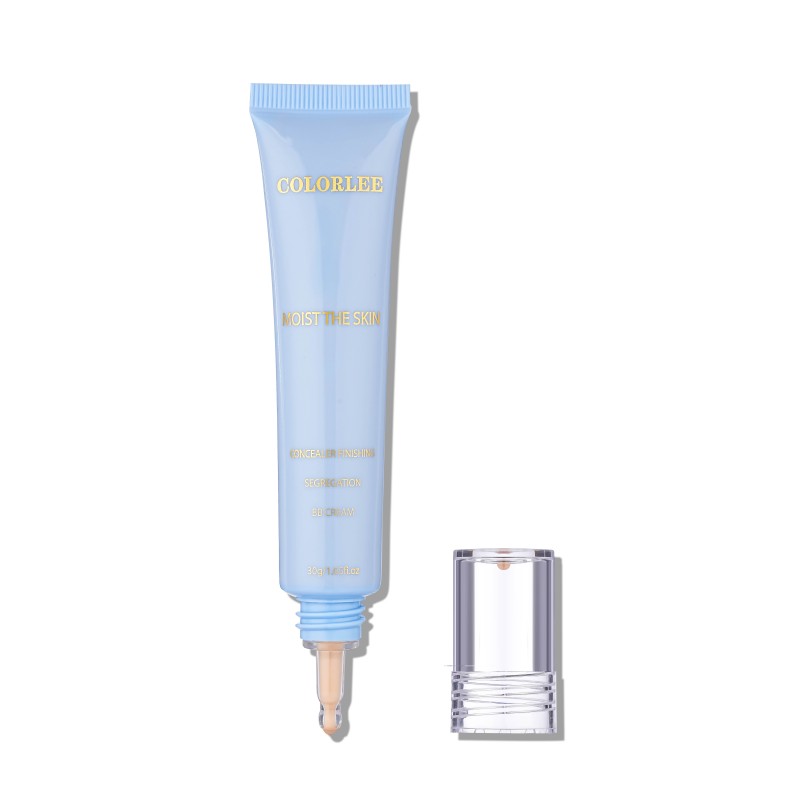
Article Outline
- Understanding the role of BB Cream
- Why consumers choose BB Cream for daily makeup
- Key characteristics of a high-quality BB Cream
- How BB Cream supports different beauty routines
- How to choose BB Cream according to skin type
- How to apply BB Cream for a natural finish
- BB Cream compared with foundation and CC Cream
- Important considerations for brands and buyers
- How Boni approaches BB Cream manufacturing
- Frequently Asked Questions
Table of Contents
- What Is BB Cream?
- Why Is BB Cream Popular?
- Key Features to Look For in BB Cream
- How to Choose BB Cream for Different Skin Types
- How to Apply BB Cream Correctly
- BB Cream vs. Foundation vs. CC Cream
- What Should Brands Consider When Sourcing BB Cream?
- How Boni Supports BB Cream Product Development
- Common BB Cream Mistakes to Avoid
- Frequently Asked Questions
- Final Thoughts
What Is BB Cream?
BB Cream is a multifunctional complexion cosmetic designed to bridge the gap between skincare and makeup. The term is commonly associated with “Beauty Balm” or “Blemish Balm,” and modern BB Cream products are generally designed to provide lightweight complexion coverage while incorporating additional skin-comfort or skincare-oriented features.
Unlike traditional foundation, which is primarily focused on color coverage, BB Cream is usually positioned as a simpler everyday alternative. Depending on the formulation, it may help moisturize the skin, create a smoother-looking surface, reduce the appearance of minor imperfections, and provide a more even visual complexion.
This multifunctional positioning is particularly attractive to consumers who do not want a complicated morning routine. Instead of applying several complexion products separately, users can select a BB Cream that combines several desired characteristics in one convenient formula.
For beauty brands, this also creates opportunities to develop differentiated products around specific consumer needs. A lightweight BB Cream can be positioned for everyday office makeup, while another formulation may emphasize hydration, natural radiance, oil control, long wear, or a soft-focus appearance.
Why Is BB Cream Popular?
The appeal of BB Cream comes largely from convenience. Modern consumers increasingly expect beauty products to perform efficiently while remaining comfortable throughout the day. Heavy foundation can sometimes feel excessive for casual occasions, while using only moisturizer may not provide enough complexion refinement. BB Cream occupies a useful middle ground.
One major advantage is its ability to provide a more natural-looking base. Rather than creating an obviously layered makeup appearance, a lightweight BB Cream can help reduce visible unevenness while allowing the complexion to retain a skin-like appearance.
Another important factor is versatility. BB Cream can be used for workdays, travel, casual outings, school, shopping, social activities, and other situations where consumers want to look polished without spending significant time on makeup application.
- Convenient routine: Multiple complexion functions can be combined into one product.
- Lightweight appearance: Suitable for consumers who prefer a less heavily made-up look.
- Buildable coverage: Additional product can be applied to areas requiring more visual correction.
- Skin-comfort focus: Hydrating and conditioning ingredients can improve the overall feel of the formula.
- Everyday versatility: Suitable for many casual and professional makeup situations.
- Easy application: BB Cream can generally be blended using fingers, a sponge, or a makeup brush.
Key Features to Look For in BB Cream
A good BB Cream should balance appearance, comfort, application, and formula performance. Simply adding more functional ingredients does not automatically create a better product. The ingredients, texture, pigment system, packaging, and intended consumer profile must work together.
| Feature | Why It Matters | Consumer Benefit |
|---|---|---|
| Light to Buildable Coverage | Allows users to control the visual intensity of the base | Creates a natural appearance while allowing additional coverage where needed |
| Hydrating Feel | Helps improve comfort during daily wear | Useful for consumers concerned about dry or tight-feeling skin |
| Natural Finish | Balances excessive shine and an overly flat appearance | Produces a fresh, skin-like complexion |
| Suitable Shade Range | Improves the chance of finding an appropriate color match | Creates a more seamless complexion result |
| Comfortable Texture | Influences spreading, blending, and long-term wear | Makes application easier and more pleasant |
| Functional Ingredients | Can support specific product positioning | Allows brands to target hydration, radiance, oil control, or other needs |
Some BB Cream formulas also include ingredients such as hyaluronic acid, niacinamide, vitamin E, botanical oils, peptides, or UV-filter systems. The exact composition should always be evaluated according to the intended market, regulatory requirements, product claims, and consumer profile rather than simply following an ingredient trend.
How to Choose BB Cream for Different Skin Types
Choosing BB Cream according to skin type can significantly improve user satisfaction. The same texture that feels comfortable on dry skin may feel too rich for oily skin. Therefore, formula selection should begin with the consumer's actual needs.
| Skin Type | Recommended Formula Direction | What to Consider |
|---|---|---|
| Dry Skin | Moisturizing and emollient texture | Look for a comfortable finish that does not emphasize dry patches |
| Oily Skin | Lightweight, non-heavy texture | Oil-control properties and a balanced finish can be beneficial |
| Combination Skin | Balanced hydration with moderate oil control | Avoid formulas that are excessively rich or excessively drying |
| Normal Skin | Flexible everyday formula | Choose based on preferred coverage, finish, and wear time |
| Sensitive Skin | Gentle, appropriately tested formulation | Review ingredients and product testing requirements carefully |
It is also important to remember that “suitable for all skin types” is a broad positioning statement. Actual performance depends on the formulation, climate, application method, and individual skin characteristics. Brands should validate product claims through appropriate testing before placing them on packaging or marketing materials.
How to Apply BB Cream Correctly
Application technique can influence the final result almost as much as the product itself. Using too much BB Cream at once may create unnecessary buildup, while insufficient blending can result in uneven color.
- Prepare the skin: Start with clean skin and apply the appropriate skincare products for your routine.
- Use a small amount: Begin with a modest quantity rather than applying a thick layer immediately.
- Place strategically: Apply small amounts to the forehead, cheeks, nose, and chin.
- Blend outward: Use clean fingers, a makeup sponge, or a brush to distribute the product evenly.
- Build selectively: Add a second thin layer to areas where additional coverage is desired.
- Check the finish: Inspect the complexion in natural or balanced lighting before adding other makeup.
For consumers who prefer a sheer appearance, fingers can provide a quick and natural application. A damp makeup sponge can create a softer, more diffused result, while a brush may be preferred when users want more controlled coverage.
When a BB Cream includes SPF, users should still consider whether the product is intended to function as their primary sunscreen. Makeup application quantities are often lower than the amount used for dedicated sun protection. A separate broad-spectrum sunscreen may therefore remain appropriate depending on the product's tested protection level and the user's exposure.
BB Cream vs. Foundation vs. CC Cream
Consumers often confuse BB Cream with foundation and CC Cream because all three products can be used to improve the appearance of the complexion. Their primary positioning, however, is different.
| Product | Main Purpose | Typical Coverage | Best For |
|---|---|---|---|
| BB Cream | Combine light complexion makeup with skincare-oriented functions | Light to medium | Natural everyday makeup |
| Foundation | Even out complexion and provide more controlled coverage | Light to full, depending on formula | More defined makeup looks |
| CC Cream | Focus more strongly on correcting or balancing visible color concerns | Light to medium | Redness and uneven-looking tone |
The boundaries are not absolute because modern cosmetic formulas can combine multiple functions. The most important distinction is the product's formulation and intended use rather than its name alone.
What Should Brands Consider When Sourcing BB Cream?
For beauty brands, retailers, distributors, and private-label businesses, sourcing BB Cream involves much more than selecting a color and filling a bottle. A successful product should align formula performance with the target market, positioning, packaging requirements, cost structure, and regulatory expectations.
1. Define the target consumer. Determine whether the product is intended for teenagers, working professionals, mature consumers, makeup beginners, sensitive-skin users, or another defined audience.
2. Establish the desired finish. Matte, natural, satin, and dewy finishes create different consumer experiences. The finish should match both the brand identity and target market.
3. Select appropriate coverage. Light coverage works well for a “your skin but better” concept, while buildable coverage provides more flexibility.
4. Plan the shade range. Shade availability can influence product accessibility and customer satisfaction. Brands should evaluate target-market skin tones rather than selecting shades solely according to assumptions.
5. Evaluate packaging. A pump, tube, cushion, or other packaging format can affect dosage control, portability, hygiene, user experience, and product positioning.
6. Confirm product testing. Stability, compatibility, microbiological quality, safety evaluation, and other relevant testing should be considered according to the destination market and formulation.
7. Match claims to evidence. Claims such as hydration, SPF, long wear, oil control, or sensitive-skin suitability should be supported by appropriate formulation and testing rather than used simply as marketing language.
How Boni Supports BB Cream Product Development
Boni is a professional cosmetics manufacturer serving brands that need practical BB Cream solutions for different markets and product concepts. Its BB Cream offering is positioned around the combination of complexion makeup and skincare-oriented functions, giving brands a foundation for developing convenient everyday beauty products.
The product information provided by Boni describes a lightweight BB Cream concept with buildable coverage and a natural-looking finish. Its formulation approach includes ingredients such as hyaluronic acid, niacinamide, vitamin E, jojoba oil, peptides, and UV-filter components, depending on the specific product configuration and market requirements.
Boni also provides OEM/ODM-oriented support, which can be valuable for brands that want to develop a private-label BB Cream rather than simply purchase a generic finished product. Customization may involve formula direction, packaging, shade requirements, product positioning, and other development considerations.
For buyers, the most important advantage of working with an experienced manufacturer is not simply obtaining a finished cosmetic product. It is establishing a development process in which formula goals, packaging, production requirements, quality expectations, and market positioning can be considered together.
Brands considering a BB Cream project should therefore communicate their requirements clearly from the beginning, including target market, expected price range, desired texture, coverage, finish, packaging format, shade range, regulatory destination, and expected order volume.
Common BB Cream Mistakes to Avoid
- Choosing the wrong shade: A color that is too light, too dark, too pink, or too yellow can make the complexion look disconnected from the neck.
- Applying too much product: BB Cream is generally designed for a lighter complexion effect, so excessive application can undermine its natural appearance.
- Skipping skin preparation: Uneven or dehydrated skin can make even a well-formulated product appear patchy.
- Expecting foundation-level coverage: BB Cream is not necessarily designed to completely conceal every blemish or pigmentation concern.
- Ignoring the finish: A formula should be selected according to the user's preferred appearance and skin characteristics.
- Assuming SPF replaces dedicated sunscreen: The appropriate level of sun protection depends on the tested product and actual application quantity.
- Overlooking formulation stability: Brands should evaluate how the formula behaves throughout storage, transportation, and normal consumer use.
Frequently Asked Questions
Q1: Is BB Cream the same as foundation?
No. BB Cream generally focuses on lightweight complexion coverage combined with skincare-oriented functions, while foundation is primarily designed to even out skin tone and provide controlled makeup coverage.
Q2: Can BB Cream be used every day?
Yes. Many BB Cream products are specifically designed for everyday use. The appropriate choice depends on the formula, skin type, personal preferences, and intended wearing conditions.
Q3: Is BB Cream suitable for oily skin?
It can be. Consumers with oily skin may prefer lightweight formulas with a balanced or soft-matte finish and suitable oil-control characteristics.
Q4: Can dry skin use BB Cream?
Yes. A hydrating BB Cream with a comfortable, flexible texture may be particularly suitable for dry skin. Proper skincare preparation can further improve application.
Q5: Does BB Cream hide acne completely?
Usually not. BB Cream is generally intended to provide light to medium visual coverage. More prominent blemishes may require a separate concealer or a higher-coverage complexion product.
Q6: Can BB Cream replace moisturizer?
Some formulas contain moisturizing ingredients, but whether they can replace a dedicated moisturizer depends on the individual's skin condition and the specific formulation. A separate moisturizer may still be appropriate.
Q7: Can BB Cream replace sunscreen?
Not automatically. If a BB Cream contains SPF, the actual protection depends on the product's tested performance and application amount. Consumers requiring reliable daily sun protection should follow the directions for the specific sunscreen product being used.
Q8: How should I choose a BB Cream shade?
Choose a shade that most closely matches the natural complexion and, when possible, assess it along the jawline under suitable lighting. Brands should also consider the skin-tone diversity of their target market when developing shade ranges.
Q9: Can BB Cream be customized for private-label brands?
Yes. Depending on the manufacturer, brands may be able to customize formula direction, packaging, shade selection, product positioning, and other specifications. Boni provides OEM/ODM-oriented cosmetic manufacturing services for brands seeking customized BB Cream solutions.
Q10: Why should brands work with an experienced BB Cream manufacturer?
An experienced manufacturer can help coordinate formulation, production, packaging, testing, quality control, and commercialization requirements. This can reduce development uncertainty and help a brand move from product concept to finished cosmetic more efficiently.
Final Thoughts
BB Cream remains attractive because it addresses a straightforward consumer problem: many people want a more even and polished complexion without building a complicated makeup routine. A well-developed BB Cream can combine lightweight coverage with hydration, comfortable wear, and other carefully selected functional characteristics.
For consumers, the right choice depends on skin type, shade, coverage preference, finish, application method, and individual skincare needs. For beauty brands, successful BB Cream development requires a broader perspective that considers formulation, target market, packaging, quality requirements, product claims, and manufacturing consistency.
Boni provides BB Cream manufacturing and OEM/ODM support for brands looking to develop multifunctional complexion products. Whether the goal is a lightweight everyday formula, a hydrating complexion balm, a buildable coverage product, or a customized private-label concept, selecting the right manufacturing partner can make the development process more efficient and reliable.
Looking for a BB Cream manufacturer for your next beauty product? Discuss your target market, formulation requirements, packaging concept, shade range, and order needs with Boni today. Contact us to explore a customized BB Cream solution for your brand.