

How Does High-Temperature Glass Ink Enhance Durability and Performance?
2026-01-22
High-temperature glass ink plays a critical role in enhancing the durability, aesthetic appeal, and heat resistance of glass products used in industrial, decorative, and domestic applications. Designed to withstand extreme temperatures, this type of ink ensures long-lasting performance without compromising visual quality. Inkmyck®, a leading manufacturer, specializes in producing high-quality high-temperature glass inks suitable for diverse applications, including kitchenware, laboratory glassware, and decorative items.
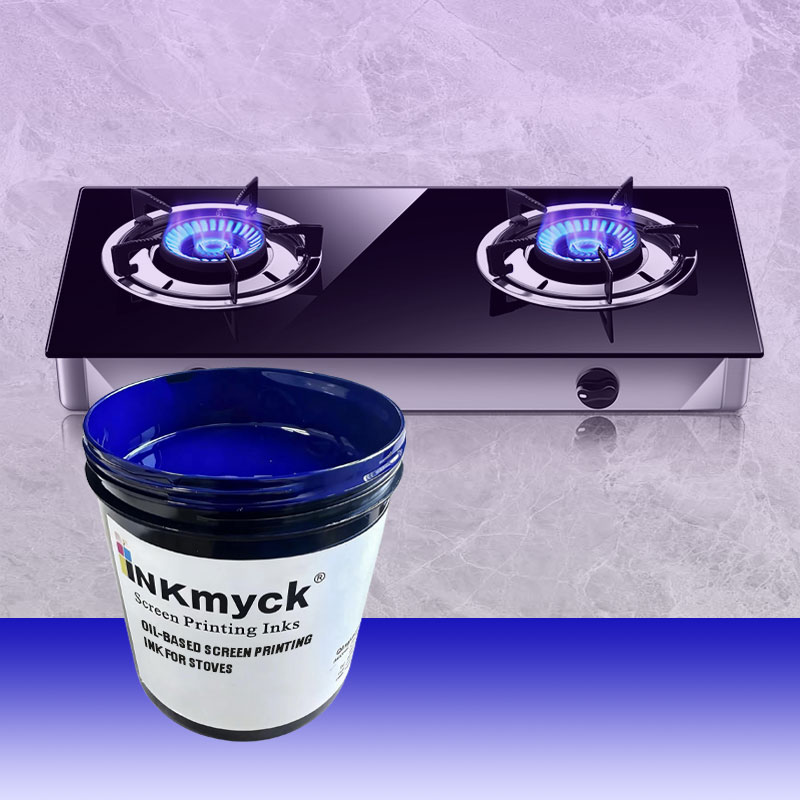
Table of Contents
- Overview of High-Temperature Glass Ink
- Key Applications
- Types and Color Options
- High vs Low-Temperature Glass Ink
- Selection Guide
- Frequently Asked Questions
- Contact Information
Overview of High-Temperature Glass Ink
High-temperature glass ink is specifically formulated to endure prolonged exposure to extreme heat without cracking, discoloration, or fading. Its chemical composition ensures strong adhesion to glass surfaces while maintaining stability at temperatures ranging from 650°C to 710°C, making it ideal for applications in stoves, ovens, and high-temperature lighting fixtures.
Core features include:
- Exceptional heat resistance and stability
- Wide color palette with customizable gloss levels
- Strong adhesion to glass surfaces
- Durable and long-lasting coatings
| Parameter | Specification |
|---|---|
| Curing Temperature | 650-710°C |
| Color Options | Black, White, Red, Blue, Yellow, Custom |
| Gloss Levels | Matte, Semi-Matte, Glossy |
| Application Method | Screen printing, pad printing, and other glass-compatible techniques |
| Heat Resistance | Continuous high-temperature use up to 710°C |
Key Applications
High-temperature glass ink is versatile, suitable for both functional and decorative purposes:
- Kitchen appliances: Cooktop surfaces, oven windows, and stovetops
- Industrial and laboratory glassware: Reaction vessels, high-temperature glass components, and laboratory equipment
- Lighting and automotive: High-temperature lamp shades and automotive engine glass parts
- Decorative glass: Fireplaces, glass panels, and other heat-exposed decorative elements
By curing at high temperatures, the ink forms a robust coating that maintains color integrity and adhesion even under continuous thermal stress.
Types and Color Options
High-temperature glass inks are available in both water-based and oil-based formulations:
- Water-Based High-Temperature Ink: Eco-friendly, easy to clean, suitable for ceramic-coated glass surfaces.
- Oil-Based High-Temperature Ink: Excellent adhesion and durability, ideal for metal-glass composite surfaces and stovetops.
Available color options include standard shades such as black, white, red, blue, and yellow. Custom color mixing and gloss adjustments are available upon request to meet aesthetic and functional needs.
High vs Low-Temperature Glass Ink
The main distinction between high-temperature and low-temperature glass inks lies in curing temperature and heat resistance:
| Property | High-Temperature Ink | Low-Temperature Ink |
|---|---|---|
| Curing Temperature | 650-710°C | Below 100°C |
| Heat Resistance | Excellent; suitable for continuous high-heat applications | Limited; suitable for decorative or low-heat environments |
| Durability | High; maintains adhesion and color under thermal stress | Moderate; may fade or peel under heat |
For any application requiring sustained heat exposure, high-temperature glass ink is the preferred choice to ensure long-term reliability.
Selection Guide
When choosing high-temperature glass ink, consider the following factors:
- Temperature Tolerance: Ensure the ink can withstand the maximum operational temperature of the glass product.
- Surface Compatibility: Confirm compatibility with glass type, including ceramic, tempered, or coated surfaces.
- Color and Gloss: Select a color and finish that aligns with both aesthetic and functional requirements.
- Application Method: Match the ink with available printing techniques such as screen printing or pad printing.
- Durability Requirements: Consider long-term adhesion and resistance to thermal cycling.
Inkmyck® provides tailored solutions to meet these selection criteria, ensuring consistent quality and performance across diverse applications.
Frequently Asked Questions
- Q1: What surfaces are suitable for high-temperature glass ink?
- A1: It is suitable for ceramic glass, tempered glass, and other heat-resistant glass types commonly used in stoves, ovens, and laboratory equipment.
- Q2: How long does high-temperature glass ink last under extreme heat?
- A2: When properly cured, it maintains color and adhesion for years, even under continuous exposure to temperatures up to 710°C.
- Q3: Can custom colors be created for specific applications?
- A3: Yes, Inkmyck® can customize colors, gloss levels, and finishes to match functional and decorative requirements.
- Q4: What is the main difference between water-based and oil-based high-temperature inks?
- A4: Water-based inks are eco-friendly and easier to clean, while oil-based inks offer stronger adhesion and are more durable under high-heat conditions.
- Q5: How is high-temperature glass ink applied?
- A5: The ink can be applied through screen printing, pad printing, or other compatible glass printing techniques depending on the surface and design.
Contact Information
For businesses and manufacturers seeking reliable high-temperature glass ink solutions, Inkmyck® offers professional consultation and high-quality products designed for durability and performance. Enhance your glass products with our premium inks and ensure long-lasting heat resistance. Contact us today to discuss your specific requirements and request a sample.