

How Does Laser Cutting Compare to Traditional Methods for Metal Decorative Staircase Railings
2026-03-23
When crafting a Laser Cutting Metal Decorative Staircase Railing, the choice of fabrication method directly influences aesthetics, durability, and project timelines. At Nante, we have witnessed a decisive shift toward laser cutting technology as architects and homeowners pursue precision that traditional methods struggle to match. Understanding how these approaches compare is essential for making an informed investment in architectural metalwork.
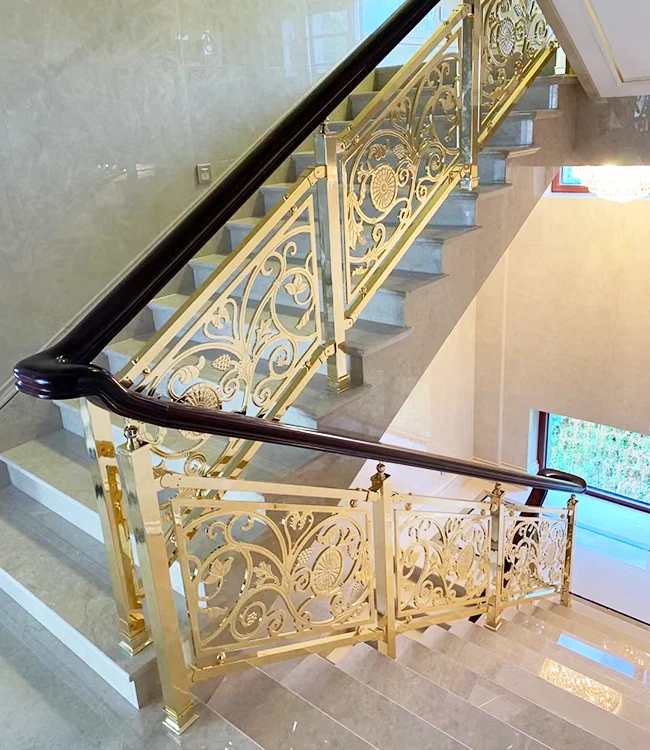
Precision and Design Complexity
Traditional fabrication methods—such as manual sawing, punching, or plasma cutting—often impose limitations on intricate detailing. These techniques rely heavily on operator skill and are prone to inconsistencies, especially when executing repetitive patterns or tight tolerances.
| Aspect | Traditional Methods | Laser Cutting |
|---|---|---|
| Tolerance Level | ±1.0 mm or higher | ±0.1 mm |
| Pattern Complexity | Basic geometric shapes | Intricate filigree, custom logos, organic forms |
| Repeatability | Moderate; human error variable | Identical precision across all components |
| Material Waste | Higher due to rough cutting | Optimized nesting reduces scrap |
Laser cutting eliminates physical tool contact, allowing Nante to execute seamless curves, micro-perforations, and layered compositions that would be impossible or prohibitively expensive through conventional means.
Material Integrity and Finish
A Laser Cutting Metal Decorative Staircase Railing must withstand both structural demands and visual scrutiny. Traditional shearing or stamping can create micro-burrs, heat-affected zones that warp thin metals, or surface irregularities requiring extensive finishing. Laser cutting delivers clean, oxide-free edges with minimal post-processing. This precision ensures that powder coating or plating adheres uniformly, extending the lifespan of the railing in both indoor and exterior environments.
Efficiency and Customization
Traditional methods often involve multiple stages: cutting, deburring, drilling, and assembly—each requiring separate setups. Laser cutting consolidates these steps into a single programmable process. For custom projects, this means Nante can transition from digital design to finished component in days rather than weeks. Short-run customizations incur minimal tooling costs, making bespoke Laser Cutting Metal Decorative Staircase Railing solutions accessible for residential and commercial clients alike.
Laser Cutting Metal Decorative Staircase Railing FAQ
What types of metal are suitable for laser cutting in staircase railings?
Laser cutting accommodates a wide range of metals commonly used in architectural railings. Mild steel offers excellent strength and weldability, while stainless steel provides superior corrosion resistance for outdoor or coastal applications. Aluminum is favored for lightweight modern designs, and brass or copper can be used for decorative accents. At Nante, we select the material based on structural requirements, finish preferences, and environmental exposure, ensuring the final railing meets both safety codes and aesthetic goals.
How does laser cutting affect the structural integrity of a metal railing?
Unlike plasma or mechanical cutting, modern fiber laser cutting generates a concentrated, localized heat zone that does not compromise the surrounding metal’s temper or strength. The absence of mechanical force prevents warping or residual stress in thin-gauge materials. Additionally, because laser cutting achieves such precise joint interfaces, welding or assembly becomes cleaner and more structurally sound. Nante reinforces all load-bearing components to comply with building regulations while maintaining the refined appearance enabled by laser precision.
Is laser cutting more expensive than traditional fabrication methods for custom railings?
Initial per-unit costs for laser cutting can be lower than traditional methods for complex designs due to reduced labor, faster production times, and minimal material waste. For highly intricate patterns, traditional fabrication would require extensive handwork or expensive tooling, making laser cutting significantly more cost-effective. For simpler, high-volume standard designs, traditional methods may have a marginal upfront advantage, but laser cutting still offers superior consistency and finish quality. Nante provides detailed project assessments to ensure clients receive the optimal balance of craftsmanship, durability, and value.
Long-Term Value and Maintenance
Traditional fabrication often leaves seams, irregular edges, or crevices that accumulate moisture and debris, accelerating corrosion. Laser-cut components fit with exceptional accuracy, minimizing gaps and creating smoother surfaces that resist environmental wear. This precision translates into lower maintenance requirements and longer service life—key considerations for any Laser Cutting Metal Decorative Staircase Railing investment.
Conclusion
The evolution from traditional metal fabrication to laser cutting represents more than a technological upgrade; it redefines what is possible in architectural railing design. With unparalleled precision, material efficiency, and design freedom, Laser Cutting Metal Decorative Staircase Railing solutions from Nante deliver enduring quality that aligns with modern architectural expectations.
For your next staircase railing project, precision and artistry should never be a compromise. Contact us today to discuss your design vision, request a consultation, or explore how Nante can transform your space with expertly crafted laser-cut metal railings tailored to your exact specifications.