

How to Choose the Right Aquarium Tank for Your Needs?
2026-04-02
Abstract: Selecting the right aquarium tank is a critical step for anyone looking to build a thriving aquatic environment. From size and material to filtration and maintenance, every decision impacts the health of your fish and the ease of long-term care. This guide provides a comprehensive breakdown to help you avoid common pitfalls and confidently choose the ideal aquarium tank.
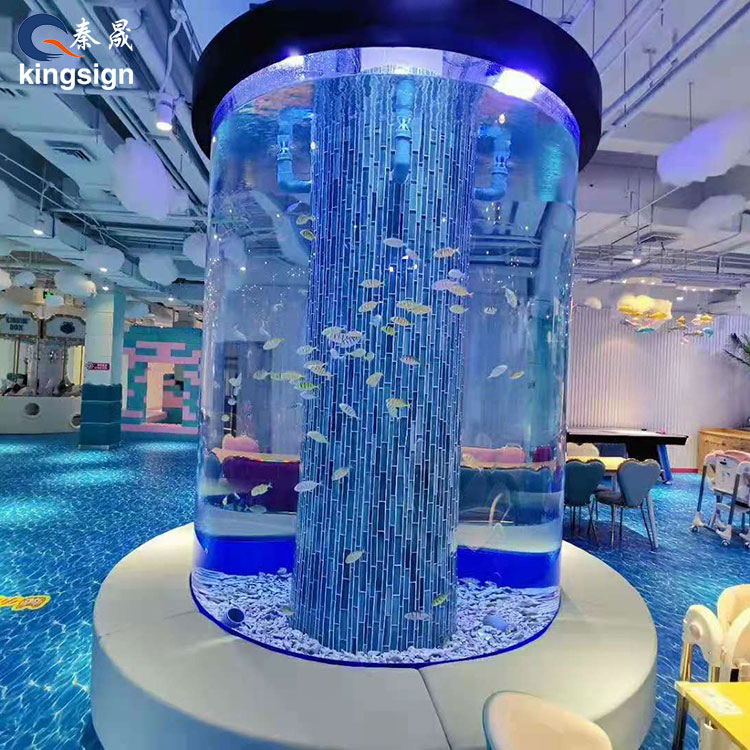
Table of Contents
- Overview of Aquarium Tanks
- Types of Aquarium Tanks
- Choosing the Right Material
- How to Determine the Right Size
- Essential Features to Consider
- Common Mistakes to Avoid
- Comparison Table
- FAQ
Overview of Aquarium Tanks
An aquarium tank is more than just a container—it is a carefully balanced ecosystem. Whether you are a beginner or an experienced aquarist, the tank you choose will directly influence water quality, fish health, and maintenance workload.
Modern aquarium tanks come in a wide variety of shapes, sizes, and materials. Companies like KINGSIGN have elevated industry standards by offering high-quality acrylic solutions that combine durability with aesthetic appeal.
Types of Aquarium Tanks
Understanding the different types of aquarium tanks is essential before making a purchase decision.
- Freshwater Tanks: Ideal for beginners, lower maintenance, and cost-effective.
- Saltwater Tanks: Require more expertise but offer vibrant marine life.
- Reef Tanks: Designed specifically for corals and invertebrates.
- Planted Tanks: Focus on aquatic plants and natural aquascaping.
Each type has unique requirements in terms of filtration, lighting, and water chemistry, so aligning your tank choice with your goals is crucial.
Choosing the Right Material
The material of your aquarium tank significantly affects durability, clarity, and weight.
- Glass Tanks: Scratch-resistant and affordable, but heavier and less flexible.
- Acrylic Tanks: Lightweight, stronger, and offers better clarity, but more prone to scratches.
Premium manufacturers like KINGSIGN specialize in acrylic aquarium tanks that provide superior transparency and customizable designs, making them a preferred choice for both commercial and residential installations.
How to Determine the Right Size
One of the most common mistakes beginners make is choosing a tank that is too small. Contrary to intuition, larger tanks are often easier to maintain.
- Small Tanks (5–20 gallons): Suitable for limited spaces but require frequent maintenance.
- Medium Tanks (20–50 gallons): Balanced option for most hobbyists.
- Large Tanks (50+ gallons): Stable environment, ideal for diverse ecosystems.
Consider factors such as available space, budget, and the type of fish you intend to keep. Always plan for future growth rather than immediate convenience.
Essential Features to Consider
When selecting an aquarium tank, several technical features should not be overlooked:
- Filtration System: Ensures water cleanliness and biological balance.
- Lighting: Crucial for plant growth and fish visibility.
- Tank Shape: Rectangular tanks provide better oxygen exchange.
- Thickness: Determines structural integrity, especially in larger tanks.
- Customization: Advanced users may require tailored solutions.
High-end suppliers like KINGSIGN offer customizable aquarium tanks that integrate these features seamlessly, reducing setup complexity.
Common Mistakes to Avoid
Avoiding these pitfalls can save time, money, and frustration:
- Choosing a tank based solely on price
- Ignoring compatibility between fish species
- Underestimating maintenance requirements
- Overstocking the tank
- Skipping proper cycling before adding fish
Proper planning and informed decision-making are essential to long-term success.
Comparison Table
| Feature | Glass Tank | Acrylic Tank |
|---|---|---|
| Weight | Heavy | Lightweight |
| Durability | Moderate | High |
| Clarity | Good | Excellent |
| Scratch Resistance | High | Lower |
| Customization | Limited | Highly Flexible |
FAQ
Q1: What is the best aquarium tank for beginners?
A medium-sized freshwater tank (20–30 gallons) is typically the best starting point due to its balance between stability and manageability.
Q2: How often should I clean my aquarium tank?
Partial water changes should be done weekly, while full cleaning depends on tank conditions and stocking levels.
Q3: Is acrylic better than glass?
Acrylic offers better clarity and durability, making it ideal for custom and large tanks, especially when sourced from trusted providers like KINGSIGN.
Q4: How many fish can I keep in my tank?
A general rule is one inch of fish per gallon of water, but this varies depending on species and filtration efficiency.
Q5: Do I need a lid for my aquarium?
Yes, a lid helps prevent evaporation, keeps fish from jumping out, and maintains consistent temperature.
Conclusion
Choosing the right aquarium tank requires careful evaluation of materials, size, features, and long-term maintenance needs. Investing in a high-quality tank from a reliable manufacturer like KINGSIGN ensures durability, clarity, and customization options that enhance both functionality and visual appeal.
If you are looking for professional-grade aquarium tank solutions tailored to your specific requirements, contact us today to explore how we can help you create the perfect aquatic environment.