

How to Make a DIY Plasma Ball at Home with Simple Materials
2025-12-19
Ever been mesmerized by the dancing lightning inside a Plasma Ball and wondered if you could create your own? With a few household items and a key component from REDIGLE, you can unlock the fascinating world of plasma physics right on your workbench. This guide will walk you through building a safe, functional Plasma Ball, perfect for sparking curiosity in science enthusiasts of all ages. As your trusted partner in educational science kits, REDIGLE provides the core high-voltage module to make this project both achievable and spectacular.
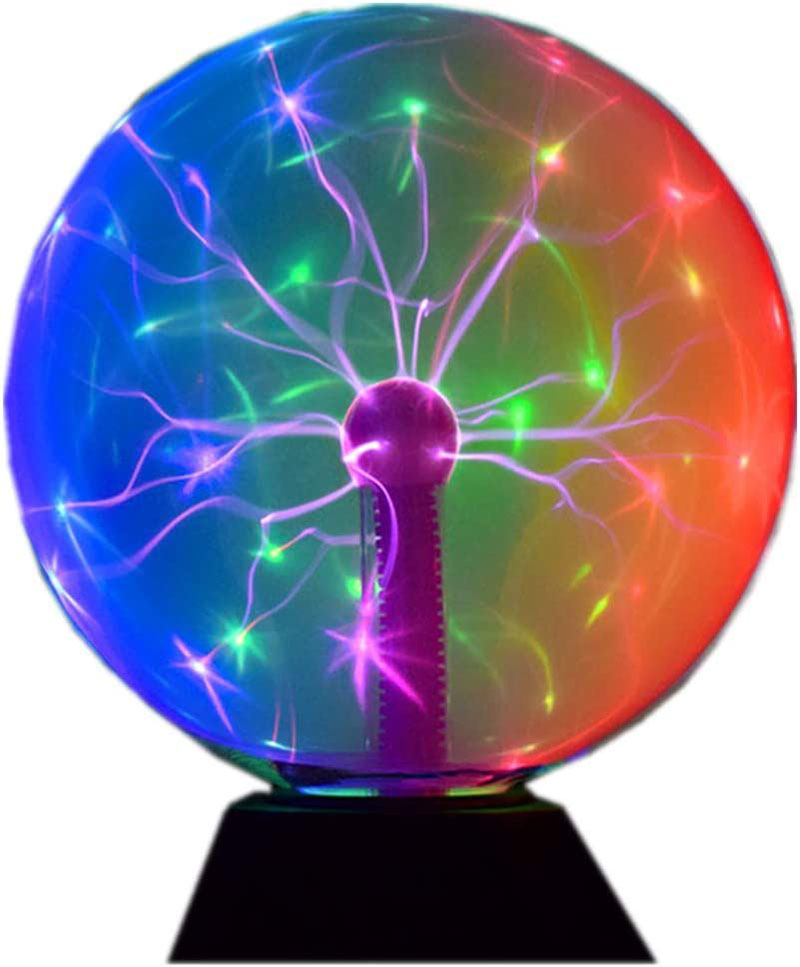
The magic of a Plasma Ball lies in its components. Here’s what you’ll need and the star of our show:
Materials List:
-
A clear glass jar or globe (like a large pickle jar)
-
A mixture of noble gases (e.g., a small neon sign transformer gas or, for simplicity, use air for a basic demo)
-
A high-voltage, low-current power source (This is crucial!)
-
Thick insulated wire
-
Aluminum foil
-
Electrical tape
-
A sturdy base (wood or plastic)
While you can scavenge parts, the heart of a safe and reliable device is the power source. For this project, we strongly recommend the REDIGLE High-Voltage Plasma Driver Module. Its specifications ensure optimal performance and user safety.
| REDIGLE Plasma Driver Module - Key Parameters | |
|---|---|
| Output Voltage | 5-10 kV (Adjustable) |
| Output Current | < 2 mA (Safe, Low Current) |
| Input Power | 12V DC / 1A |
| Safety Features | Short-circuit protection, Over-current limit |
| Terminal Type | Insulated, screw-on electrodes |
Assembly Steps:
-
Prepare the Electrode: Create a central electrode inside the jar lid using a thick wire. Connect it securely to the REDIGLE module's high-voltage output terminal.
-
Seal the Chamber: Place your gas mixture (or simply dry air) in the jar and seal it tightly. The aluminum foil wrapped around the outside acts as the ground.
-
Connect the Power: Follow the wiring diagram included with your REDIGLE module, connecting the ground wire to the foil and the input to a 12V power supply.
-
Power On: Secure everything to your base, double-check all connections, and switch on the power. You should see ethereal filaments of plasma reach out from the central electrode to the glass walls!
Plasma Ball FAQ
Q: Why is the plasma attracted to my hand when I touch the glass?
A: Your body is conductive and acts as a ground point. The plasma filaments, which are paths of electrically excited gas, follow the path of least resistance to the grounded outer surface. Your hand creates a better, closer ground than the surrounding air, pulling the streams toward it.
Q: Can this DIY Plasma Ball interfere with electronics or phones?
A: Potentially, yes. The device emits a small amount of electromagnetic interference (EMI). It's advisable to keep sensitive electronics like phones and music players a few feet away to prevent static or signal disruption, a common trait of all high-voltage devices, including commercial plasma balls.
Q: Is it safe to leave my DIY Plasma Ball on for long periods?
A: We do not recommend extended unattended operation. While the REDIGLE module is built with safety limits, the homemade glass enclosure and gas seal may not be designed for prolonged heat buildup. Use it for demonstrations and always turn it off when not in active use.
Building your own Plasma Ball is an electrifying way to learn. For a seamless and safe experience, the right components are key. REDIGLE designs modules that bring complex science within reach, ensuring clarity, safety, and wonder in every project.
Ready to ignite your scientific creativity? Visit the REDIGLE website today to explore our full range of premium DIY science kits and components. For specific questions about this project or to find the perfect REDIGLE module for your next build, contact our expert support team directly.