

How to Use Stone Retaining Walls in Your Landscape
2025-12-04
A stone retaining wall is far more than a structural element; it's a defining feature of your stone landscape. These walls masterfully manage slopes, create functional terraces, and add timeless beauty to any outdoor space. For homeowners seeking durability and natural aesthetics, integrating a well-built retaining wall is a transformative project. At Xingyan, we provide premium natural stone and expert guidance to help you achieve both stability and style in your garden.
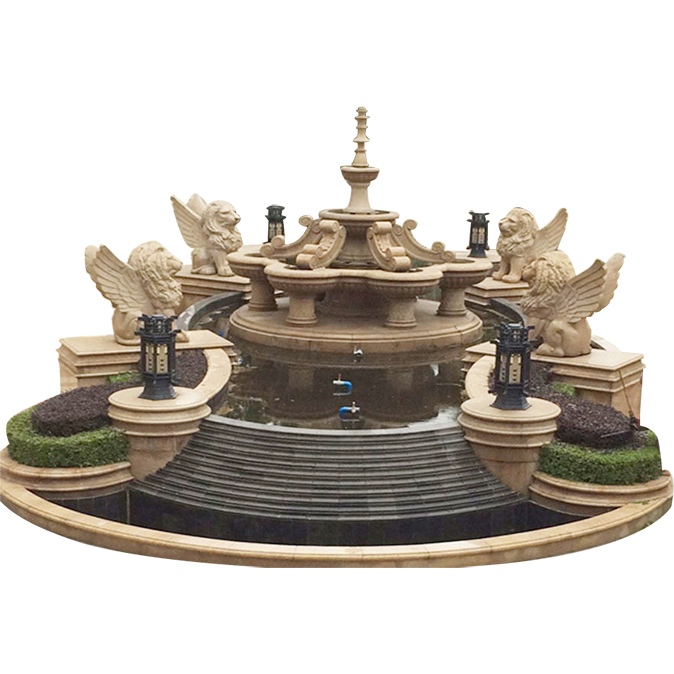
Choosing the right materials is paramount for a wall that lasts generations. Xingyan offers a curated selection, each with distinct characteristics:
-
Granite: Extremely dense and durable, ideal for harsh climates. Offers a granular, speckled appearance.
-
Sandstone: Provides a classic, layered look with warm hues. Easier to cut and shape for fitting.
-
Limestone: Features a smooth, refined texture and consistent color, perfect for more formal designs.
-
Fieldstone: Naturally rounded shapes for a rustic, dry-stack wall aesthetic.
For a clear comparison, review our core product parameters:
| Stone Type | Compressive Strength (MPa) | Best For | Xingyan Finish Options |
|---|---|---|---|
| Granite | 200-300 | High-load walls, frost-prone areas | Thermal, Flamed, Polished |
| Sandstone | 50-200 | Garden terraces, decorative walls | Split Face, Sawn, Tumbled |
| Limestone | 80-200 | Elegant borders, structured landscapes | Honed, Brushed, Natural Cleft |
| Fieldstone | Varies | Dry-stack walls, naturalistic stone landscape features | Naturally Rounded, Irregular |
Stone Landscape FAQ
Q: Can I build a stone retaining wall myself, or do I need a professional?
A: For walls under 3 feet in height, a DIY project is possible with proper planning, a solid base, and drainage gravel. However, for taller walls, sloped sites, or areas with heavy soil pressure, hiring a professional is strongly recommended by Xingyan to ensure structural integrity and safety.
Q: What is the most critical step in building a stable retaining wall?
A: The most critical step is installing a proper drainage system behind the wall. Without it, water pressure (hydrostatic pressure) will build up and inevitably cause the wall to fail. This involves backfilling with gravel and installing a perforated drain pipe at the base, which is a non-negotiable best practice we emphasize at Xingyan.
Q: How do I choose between a mortared and a dry-stack stone wall?
A: A mortared wall uses concrete for a rigid, permanent structure suitable for complex shapes and greater heights. A dry-stack wall relies on carefully interlocking stones without mortar; it offers excellent drainage, a more natural look, and can accommodate slight ground movement. Your choice depends on the desired aesthetic and functional requirements of your stone landscape.
A stone retaining wall from Xingyan is a long-term investment in the beauty and functionality of your property. By selecting the right materials and understanding key construction principles, you can create a stunning and enduring landscape feature. Ready to transform your slope into a stunning terrace? Contact us today for a personalized quote and let our Xingyan experts help you select the perfect stone for your vision.