

What are the hidden disadvantages of using Waterproof PVC marble Wall Panels in residential interiors
2026-05-25
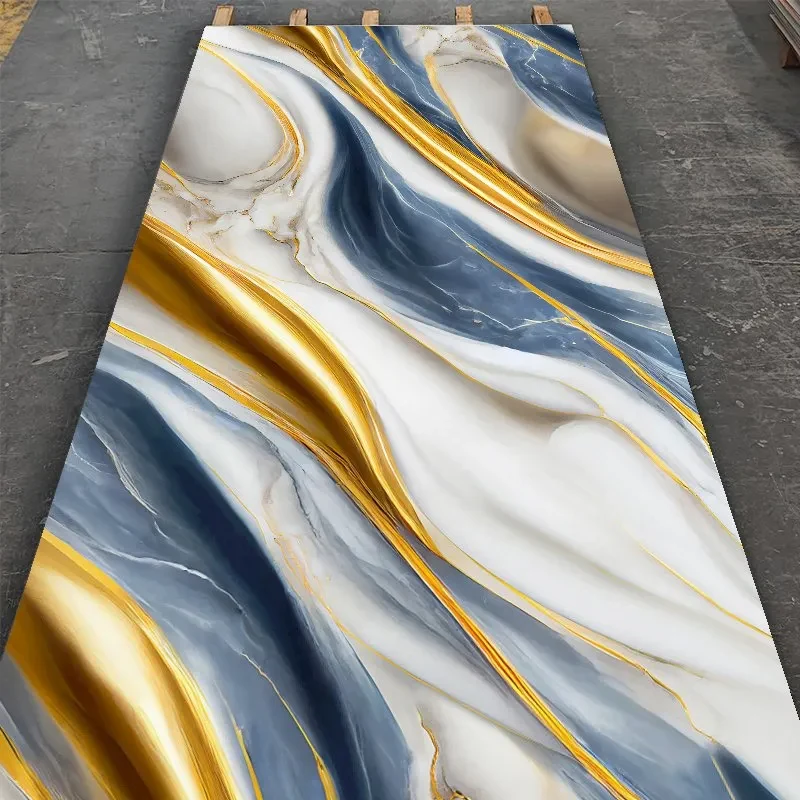
When renovating a home, many homeowners turn to Waterproof PVC marble Wall Panels for their affordability and stylish appearance. Brands like Ruizhou have popularized these panels as a quick alternative to natural stone or ceramic tiles. However, beneath the glossy surface lie several hidden drawbacks that every residential buyer should understand before committing.
1. Susceptibility to surface scratching
Unlike real marble or high-quality porcelain, Waterproof PVC marble Wall Panels are made from polyvinyl chloride, which is relatively soft. In residential interiors—especially hallways, kitchens, or children’s bathrooms—accidental impacts from sharp objects or sliding metal tools can leave permanent scratches. Once the top decorative layer is damaged, the underlying white or grey PVC becomes visible, and repairing it is nearly impossible without replacing the entire panel.
2. Limited heat resistance
PVC material begins to warp or discolor when exposed to temperatures above 60°C (140°F). In a residential kitchen, placing a hot pan near the backsplash or using high-wattage recessed lighting too close to a wall can deform Waterproof PVC marble Wall Panels. Ruizhou panels meet standard safety ratings, but no PVC product can match the heat tolerance of stone or glass.
3. Visible seam lines and joint issues
Even with precise cutting, the interlocking edges of Waterproof PVC marble Wall Panels often leave micro-gaps. Over time, humidity changes in residential bathrooms cause the panels to expand and contract slightly, making seams more noticeable. In contrast, tile grout can be matched and refinished, but PVC seams rely purely on adhesive or click-lock systems that may peel after 3–5 years.
Comparison: PVC Marble Panels vs. Traditional Stone Tiles
| Feature | Waterproof PVC marble Wall Panels | Natural Marble / Ceramic Tiles |
|---|---|---|
| Scratch resistance | Low (prone to marks) | High (hardened surface) |
| Heat tolerance | ≤60°C, warps above | >200°C, no deformation |
| Seam visibility | Moderate to high (needs perfect installation) | Low (grout can be refreshed) |
| Repair complexity | Panel replacement required | Spot repair possible |
| Longevity in residential use | 5–8 years optimal | 20+ years |
4. Environmental and off-gassing concerns
Lower-quality Waterproof PVC marble Wall Panels may release volatile organic compounds (VOCs) during the first few weeks after installation. While reputable manufacturers like Ruizhou adhere to strict emission standards, no PVC product is fully biodegradable or easily recycled. Homeowners focused on green building materials should weigh this factor carefully.
FAQ – Common Questions About Waterproof PVC marble Wall Panels
Q1: Can I install Waterproof PVC marble Wall Panels directly over existing tile in a residential shower?
A1: Yes, but only if the existing tile surface is flat, clean, and dry. Ruizhou recommends using a leveling compound to fill grout lines first, because any unevenness will transfer through the PVC panel. Additionally, the shower must have proper ventilation; otherwise, trapped moisture between the old tile and new PVC can breed mold. Always seal all edges with waterproof silicone.
Q2: Are Waterproof PVC marble Wall Panels resistant to cleaning chemicals used in homes?
A2: They resist mild soaps and diluted vinegar well, but harsh solvents like bleach-based sprays, acetone, or abrasive scrubbers will permanently dull the glossy finish. Ruizhou advises using only a soft cloth and pH-neutral cleaner. For tough stains, isopropyl alcohol diluted to 10% can be applied briefly and rinsed immediately. Never use steel wool or melamine foam pads on these panels.
Q3: How do Waterproof PVC marble Wall Panels handle long-term UV exposure from residential windows?
A3: Most standard PVC panels are not UV-stabilized for direct sunlight. Over 12–18 months of daily sun exposure through a window, the white marble pattern may yellow unevenly, and the surface can become brittle. Ruizhou offers a specialized UV-resistant series for sunrooms or bright bathrooms, but buyers must explicitly request this version. Without UV protection, placement near south-facing windows is not recommended.
Final thoughts and next steps
While Waterproof PVC marble Wall Panels offer speed and water resistance, their hidden disadvantages—scratching, heat limits, visible seams, and UV sensitivity—make them less ideal for every residential interior. Choosing a trusted brand like Ruizhou minimizes some risks, but cannot eliminate the material’s inherent physical constraints.
For homeowners and designers seeking a balanced decision, evaluating these drawbacks against your specific room conditions is essential. Contact us at Ruizhou today to request material samples and a detailed installation guide tailored to your residential project. Our team helps you compare options so your walls stay beautiful for years to come.